
When we get patients who walk in the door for a stem cell consultation, one of the most common questions we get is some variation of:
“What is stem cell therapy, anyway?”
There’s a lot of conflicting information online about stem cells and what’s actually used in the injection.
As a regenerative medicine provider, we’ve cared for hundreds of patients ranging from the average working person to UFC fighters.
We will use our medical expertise to help provide clarity for questions/concerns you may have with stem cell therapy and explain everything you need to know about:
- What stem cell therapy actually is (and where the stem cells come from).
- The ailments/conditions it manages.
- The benefits and potential side effects.
- The costs and whether insurance covers it.
- The differences between stem cell and other regenerative treatments like PRP therapy.
What Is Stem Cell Therapy?
Stem cell therapy uses carefully sourced birth-tissue products that contain naturally occurring growth factors, signaling molecules, and other biologic components that may support the body’s natural healing and regenerative processes.
It works by encouraging damaged tissue to repair itself, which can reduce inflammation and restore function over time.
However, there’s a big difference in the types of cells used for stem cell therapy offered in the United States vs. other areas of the world. Let’s clear up this distinction.
What Are Stem Cells?
When most people hear “stem cells,” they think of what’s called embryonic stem cells, the kind that can turn into any cell in the body. Those come from embryos and fetuses, and using them for treatment is illegal in the United States.
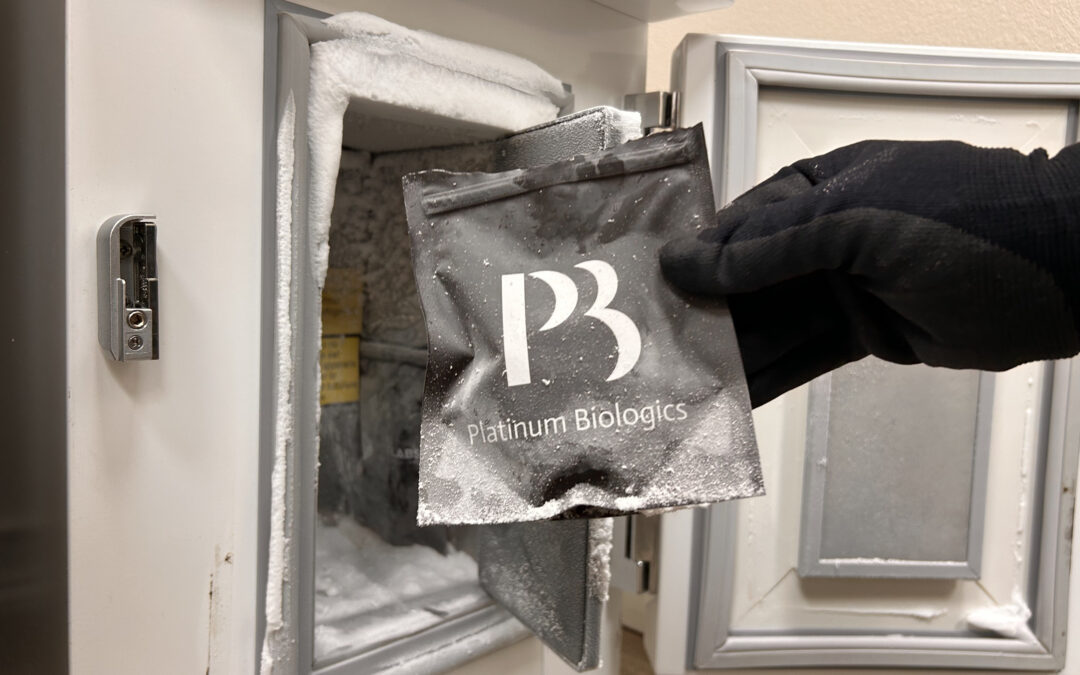
Instead, clinics like Allied Wellness Centers that help manage joint pain and chronic conditions with stem cell therapy are using products like Wharton’s Jelly, which is derived from the birth tissue of healthy, donated placentas after a scheduled C-section delivery.
Wharton’s Jelly itself doesn’t contain live stem cells. What it contains is a concentration of growth factors and signaling molecules that help activate and support the stem cells already in your body.
In other words, the treatment doesn’t inject new stem cells into you. It gives your own stem cells a boost, helping them do their job of healing more effectively.
So, even though it’s called “stem cell therapy”, there’s an important distinction between new stem cells being injected into your body vs. products that help activate your own stem cells to heal. The latter is completely legal in Texas, and is what we’ll be referring to for the rest of this post.
See the Texas Health & Safety Code – Stem Cell Legislation here.
Hear from our regenerative medicine expert, Leanne LeDoux (MSN, APRN, FNP-C), in the video below to learn more about the types of regenerative products we use:
What Is Stem Cell Therapy Used For?
Stem cell therapy is most often used to help manage chronic pain and tissue damage that hasn’t responded well to more conservative treatments like chiropractic care, massage therapy or physical therapy.
If you’re searching for a list of diseases treated by stem cells, here are the most common conditions patients seek improvement in:
- Joint pain and degeneration
- Osteoarthritis and arthritis-related stiffness
- Knee, shoulder, or hip injuries
- Back pain and neck pain
- Tendon and ligament damage
- Muscle and soft tissue injuries
- Rotator cuff damage
- Autoimmune conditions, including rheumatoid arthritis and Graves’ disease
We consistently emphasize to patients that stem cell therapy isn’t solely used for orthopedic reasons.
Patients dealing with autoimmune conditions, where the body is chronically inflamed and fatigued, can also see relief through therapies like IV infusions or nebulized therapy that work to calm overall inflammation.
It’s worth noting that, no matter what condition you’re managing, stem cell therapy isn’t a cure, and is still considered experimental.
However, we’ve seen positive results from our patients in reducing the pain and inflammation those conditions cause, and improving their range of motion and overall quality of life.
Here’s one example from our patient and UFC fighter Hailey Cowan, who has used stem cell therapy to help manage multiple injuries throughout her career:
What Are the Benefits of Stem Cell Therapy?
One of the key advantages of regenerative therapies is that they are minimally invasive compared with traditional surgery.
Depending on the condition and treatment plan, regenerative therapies like stem cell therapy may involve a single treatment or a series of treatments, typically with less downtime and a quicker return to normal activities than many surgical procedures.
Other notable benefits of stem cell therapy include:
- No surgery required. Treatment is delivered through a simple injection using a minimally invasive technique that typically takes 30-60 minutes. Most patients only feel a slight sharp pain when the needle is inserted.
- Minimal recovery time. Most patients return to their normal activities right after the injection, although some injuries require more downtime and a structured rehab program.
- Addresses the root cause of your pain. The goal with stem cell therapy is to support actual tissue repair that results in long-term healing.
- Little to no side effects. Stem cell therapy is generally safe when performed by trained medical professionals using ethically sourced cells (more on this in the next section).
- No harvesting from your own body. Because Wharton’s Jelly comes from donated birth tissue, there’s no separate procedure to collect it from you first, and your body is very unlikely to reject it.
As you get older, your natural healing response isn’t as strong as it was in your 20s or 30s.
Stem cell therapy is designed to supplement and enhance that healing response, which is why many patients pair treatment with corrective exercises, physical therapy or other natural pain management treatment options like PiezoWave Therapy and Class IV Laser Therapy.
What Are the Side Effects of Stem Cell Therapy?
Stem cell therapy is generally considered safe when performed by medical professionals trained in regenerative medicine using ethically sourced tissue.
Most patients we’ve served experience little to no side effects because Wharton’s Jelly (the product we use) is non-immunogenic, meaning the risk of an adverse reaction or rejection is low.
Some patients may notice mild soreness or swelling at the injection site for a day or two, similar to any other injection.
Although stem cell therapy is generally safe, it’s important to know that it’s still considered investigational and is not approved by the Food and Drug Administration (FDA).
As with any medical procedure, results vary from patient to patient, and a licensed provider should evaluate your condition and history before recommending treatment.
What Does Stem Cell Therapy Cost?
Besides the “What is stem cell therapy?” question, another question we commonly get is how much the procedure costs.
Stem cell therapy costs more upfront than many conventional treatments. On average, stem cell therapy costs about $4,000 to $50,000 per session, depending on the clinic, the number of areas treated, and how extensive your treatment plan is.
At Allied Wellness Centers, single injections start at $1,200, but most comprehensive treatment plans are around $6,000-$7,000.
Undoubtedly, stem cell therapy is an investment. But it helps to compare it to the alternative.
Surgery often comes with hospital bills, anesthesia costs, weeks of missed work, and months of physical therapy.
When you factor in all of the costs of surgery, stem cell therapy can end up saving both time and money for the right patient. Most clinics, including us at Allied Wellness Centers, also offer financing options to help make the cost more manageable.
Does Insurance Cover Stem Cell Therapy?
Stem cell therapy is not covered by major insurance providers, since it’s considered a regenerative or elective procedure. Some clinics offering regenerative medicine, including Allied Wellness Centers, offer financing options to help make treatment more accessible. We’re happy to discuss pricing and financing options further during your consultation.
What Is the Difference Between PRP and Stem Cell Therapy?
Stem cell therapy is just one regenerative medicine treatment option. Another popular form of regenerative treatment is PRP (platelet-rich plasma), which we also offer at Allied Wellness Centers.
While they each fall in the regenerative medicine category, PRP and stem cell therapy aren’t the same thing.
PRP (platelet-rich plasma) and products used for stem cell therapy like Wharton’s Jelly provide different components that may support the body’s healing environment.
PRP is made from your own blood and concentrates platelets and the growth factors and signaling proteins they release. These signals can help support the body’s natural repair response.
Wharton’s Jelly, on the other hand, is a naturally occurring extracellular matrix from umbilical cord tissue. It contains a combination of hyaluronic acid, collagen, proteoglycans, and other matrix components that provide structural support and participate in cellular communication.
In simple terms, PRP primarily provides concentrated cellular signals, while Wharton’s Jelly provides a biologic matrix along with its naturally occurring signaling and structural components.
Both can support your body’s natural healing abilities, but stem cell therapy tends to be a stronger option for more severe or long-standing injuries, and it generally offers more long-term healing potential than PRP.
Neither option is surgery, and both are minimally invasive with little downtime. During your consultation, we can help you decide which treatment, or combination of both, makes the most sense for your specific condition.
Want a Consultation to Learn More About Stem Cell Therapy?
Stem cell therapy can be a complex topic, but when you boil it down to the basics:
- It doesn’t involve real live stem cells in the U.S. Rather, it involves growth factors that stimulate or enhance your own stem cell activity for healing.
- It’s used to reduce pain and inflammation from various injuries and chronic conditions. It’s not a miracle cure, but it’s shown to be highly effective at improving people’s quality of life without the downtime/long-term costs of surgery.
- While it’s generally safe and produces few side effects, it is not approved by the FDA with the exception of certain blood cancers and immune system disorders.
- It can be expensive upfront, but the long-term costs of surgery (both financially and recovery time) typically make it more cost-effective in the long run.
All this being said, stem cell therapy won’t be a fit for everybody. The best way to find out is a $100 consultation with Leanne LeDoux (MSN, APRN, FNP-C), our regenerative medicine expert.
She will thoroughly review your condition and medical history to determine your candidacy, answering any questions you have along the way.
Schedule your consultation today and find out if stem cell therapy is the right treatment option for you.
In the meantime, here are a few stories from past patients of ours who’ve detailed their journeys with stem cell therapy so you can see what to potentially expect if opting for the treatment.